
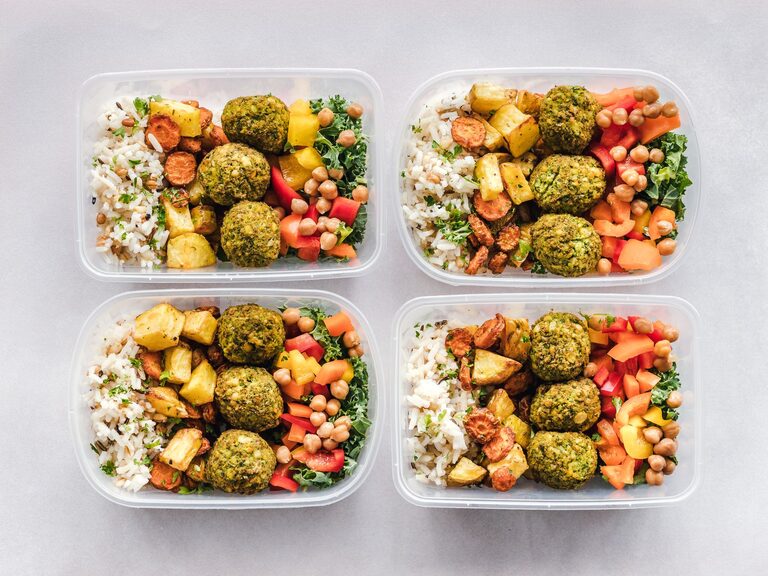
Planning balanced meals can sometimes feel overwhelming, especially when juggling work, family, and other responsibilities. However, eating well doesn’t have to be stressful or complicated. With a bit of organization and practical strategies, you can create nutritious meals that satisfy your taste buds and support your health. This guide will walk you through how to plan balanced meals without stress.
What Is a Balanced Meal?
Before diving into planning, it helps to understand what a balanced meal includes. A balanced meal typically combines:
– Protein: Supports muscle repair and keeps you full (e.g., chicken, beans, tofu, fish)
– Complex Carbohydrates: Provide lasting energy (e.g., whole grains, brown rice, quinoa, sweet potatoes)
– Healthy Fats: Aid brain function and nutrient absorption (e.g., avocado, nuts, olive oil)
– Vegetables and Fruits: Supply essential vitamins, minerals, and fiber
– Water: Keeps you hydrated and supports digestion
Including a variety of these elements ensures your meals are nourishing and satisfying.
Why Plan Meals?
Meal planning offers several benefits:
– Saves Time: Knowing what you’ll cook means fewer last-minute decisions.
– Reduces Stress: Eliminates the daily question of “What’s for dinner?”
– Supports Healthy Eating: Helps avoid impulsive choices like fast food.
– Saves Money: Buying only what you need reduces food waste and unnecessary spending.
– Improves Variety: Encourages trying new foods and recipes.
Steps to Plan Balanced Meals Without Stress
1. Assess Your Weekly Schedule
Look at your upcoming week and note busy days, social events, or days when you might have extra time to cook. This helps you decide which meals should be quick and which can be more elaborate.
2. Start Simple
If you’re new to meal planning, start with a few meals per week rather than the entire week. For example, plan dinners first, then move on to lunches and breakfasts.
3. Choose Your Recipes
Select simple, balanced recipes that you enjoy. Focus on meals that include protein, complex carbs, and plenty of veggies. Keep a list of go-to recipes that work well for your family.
Examples:
– Grilled chicken with quinoa and steamed broccoli
– Lentil and vegetable soup with whole-grain bread
– Stir-fried tofu with brown rice and mixed vegetables
4. Make a Meal Plan Template
Use a notebook, whiteboard, or digital tool to write down the meals planned for each day. This visual overview keeps you organized and makes shopping easier.
5. Create a Shopping List
Based on your meal plan, list all ingredients needed. Group items by category (produce, dairy, meat, pantry staples) to streamline shopping.
6. Batch Cook and Prep Ahead
Prepare ingredients or meals in advance to save time during the week. For example:
– Wash and chop vegetables
– Cook grains or proteins in bulk
– Portion snacks and lunches
Batch cooking reduces the pressure of cooking every day and helps maintain balanced eating.
7. Keep Healthy Staples on Hand
Stock your pantry and fridge with versatile ingredients that can be quickly turned into balanced meals, such as:
– Canned beans and tomatoes
– Frozen vegetables and fruits
– Whole grains like oats and brown rice
– Eggs and yogurt
8. Be Flexible and Forgiving
Plans may change, and that’s okay. If you need to swap meals or order takeout occasionally, don’t stress. The goal is to create a sustainable habit, not to be perfect.
Tips for Stress-Free Meal Planning
– Use Leftovers Wisely: Plan meals that use leftovers to avoid waste and reduce cooking time.
– Mix and Match: Prepare components (like grilled chicken or roasted veggies) that can be combined differently across several meals.
– Cook With Family: Involve family members in meal prep to share the load and make it fun.
– Set a Weekly Planning Time: Dedicate 15-20 minutes once a week to plan and shop.
– Keep Portions Manageable: Avoid planning meals with ingredients you won’t finish to reduce waste.
Sample One-Week Balanced Meal Plan
| Day | Meal |
|———–|——————————|
| Monday | Baked salmon, quinoa, green beans |
| Tuesday | Chickpea curry with brown rice and spinach |
| Wednesday | Turkey and veggie stir-fry with whole grain noodles |
| Thursday | Lentil soup with whole wheat bread |
| Friday | Homemade veggie pizza with salad |
| Saturday | Grilled chicken wraps with mixed veggies |
| Sunday | Roast beef, sweet potatoes, and steamed broccoli |
Conclusion
Planning balanced meals doesn’t have to be stressful or time-consuming. By understanding what makes a meal balanced, organizing your week, and preparing ahead, you can enjoy nourishing food without the hassle. Remember, flexibility and simplicity are key to sustaining healthy habits. Start small, keep your favorite recipes handy, and make meal planning a part of your weekly routine for a healthier, happier you.